
Common examples: cardiac arrest; altered consciousness (epilepsy or seizures); severe breathing difficulty; or severe shock caused by infection or major trauma. Immediate life-threatening situations.常见情况:心脏骤停;意识状态改变(癫痫或抽搐);严重呼吸困难;或由感染或重大创伤引起的严重休克。立即危及生命的情况。
Jiahui International Hospital · Emergency Department嘉会国际医院 · 急诊科
We are here to assess your condition, provide urgent care, and guide you to the safest next step.我们会评估您的病情、提供紧急医疗服务,并协助您进入最安全的下一步诊疗流程。
Choose the right urgent action for where you are根据您所在的位置选择紧急求助方式今いる場所に応じた緊急時の対応현재 위치에 맞는 긴급 도움 요청 방법Elija la acción urgente según dónde se encuentre
Not at the hospital尚未到院病院の外にいる場合병원 밖에 있는 경우Fuera del hospitalLife-threatening? Call 120危及生命?拨打 120命に関わる場合は120へ생명이 위급하면 120에 전화¿Riesgo vital? Llame al 120 Already in the ER已在急诊すでに救急外来にいる場合이미 응급실에 있는 경우Ya está en UrgenciasFeeling worse? Tell staff now症状加重?立即告知工作人员悪化したら、すぐスタッフへ악화되면 즉시 의료진에게 알리세요¿Empeora? Avise al personalWhat does “life-threatening” mean?“危及生命”是指什么?「命に関わる」とは?“생명이 위급하다”는 뜻은?¿Qué significa “riesgo vital”?
It means a sudden illness or injury that could cause death or permanent harm without immediate help. Examples include:指如果不立即获得帮助,可能导致死亡或永久伤害的突发疾病或外伤。例如:すぐに助けを受けなければ、死亡または後遺症につながるおそれのある突然の病気やけがです。例:즉시 도움을 받지 않으면 사망이나 영구적인 손상으로 이어질 수 있는 갑작스러운 질병 또는 부상을 말합니다. 예:Es una enfermedad o lesión repentina que podría causar la muerte o daños permanentes sin ayuda inmediata. Por ejemplo:
- Unresponsive, unconscious, or not breathing normally无反应、昏迷,或无法正常呼吸反応がない、意識がない、正常に呼吸していない반응이 없거나 의식이 없고 정상적으로 숨 쉬지 못함No responde, está inconsciente o no respira con normalidad
- Severe breathing difficulty, choking, or blue lips严重呼吸困难、窒息,或口唇发紫強い呼吸困難、窒息、唇が青紫色심한 호흡곤란, 질식 또는 입술이 파래짐Dificultad respiratoria grave, atragantamiento o labios azulados
- Persistent chest pain, especially with sweating or breathlessness持续胸痛,尤其伴大汗或呼吸困难持続する胸痛、特に冷汗や息苦しさを伴う場合지속되는 흉통, 특히 식은땀이나 호흡곤란이 동반됨Dolor torácico persistente, sobre todo con sudoración o falta de aire
- Uncontrolled heavy bleeding, a seizure, or signs of stroke无法止住的大量出血、抽搐,或中风症状止まらない大量出血、けいれん、脳卒中の症状멈추지 않는 심한 출혈, 발작 또는 뇌졸중 징후Hemorragia abundante incontrolable, convulsiones o signos de ictus
If you are unsure whether the risk is controllable, call 120 and describe what is happening. Follow the dispatcher’s instructions and do not drive yourself.如果无法判断风险是否可控,请拨打 120 说明情况,并听从调度人员指导;不要自行驾车。判断できない場合は120へ電話し、状況を説明して指示に従ってください。自分で運転しないでください。위험 여부를 판단하기 어렵다면 120에 전화해 상황을 설명하고 안내에 따르세요. 직접 운전하지 마세요.Si no está seguro, llame al 120, describa la situación y siga las instrucciones. No conduzca usted mismo.
START HERE从这里开始まずはこちら여기서 시작EMPIECE AQUÍ
What do you need right now?您现在最想了解什么?今、知りたいことは何ですか?지금 무엇이 궁금하신가요?¿Qué necesita saber ahora?
Choose the question closest to yours. We’ll take you directly to the right answer.选择最符合您当前情况的问题,我们会直接带您前往相关内容。今の状況に最も近い項目を選ぶと、必要な情報へ直接移動します。현재 상황과 가장 가까운 항목을 선택하면 필요한 정보로 바로 이동합니다.Elija la opción más parecida a su situación y le llevaremos directamente a la información adecuada.
I just arrived我刚到急诊到着したばかりです방금 도착했어요Acabo de llegarSee the 8-step ER journey查看急诊就诊的 8 个步骤救急受診の8つの流れを見る8단계 응급실 진료 과정 보기Vea el recorrido de Urgencias en 8 pasos
Why am I waiting?为什么我还在等?なぜ待っているのですか?왜 기다려야 하나요?¿Por qué estoy esperando?Understand triage and waiting times了解分诊规则和预计等待时间トリアージと待ち時間を確認중증도 분류와 대기 시간 이해하기Entienda el triaje y los tiempos de espera
I’m waiting for a test我在等检查検査を待っています검사를 기다리고 있어요Estoy esperando una pruebaCheck typical test and imaging times查看检验与影像检查的常见用时検査・画像診断の目安時間を確認검사 및 영상검사 예상 시간 확인Consulte los tiempos habituales de pruebas e imágenes
I feel worse我的症状加重了症状が悪化しています증상이 악화되고 있어요Me siento peorSee warning signs and call staff now查看警示症状,并立即呼叫医护人员警告症状を確認し、すぐスタッフを呼ぶ위험 신호를 확인하고 즉시 의료진 호출Vea las señales de alarma y avise al personal ahora
What happens when I leave?离院时会如何安排?帰る時はどうなりますか?퇴실할 때는 어떻게 되나요?¿Qué ocurre al salir?Home care, referral, admission or transfer居家照护、转诊、住院或转院帰宅ケア・紹介・入院・転院を確認귀가 관리, 의뢰, 입원 또는 전원 확인Cuidados en casa, derivación, ingreso o traslado
I have a question我还有疑问質問があります궁금한 점이 있어요Tengo una preguntaOpen the most common answers查看最常见问题的答案よくある質問を見る자주 묻는 질문 보기Abra las respuestas más frecuentes
01
FROM ARRIVAL TO YOUR NEXT STEP从抵达到后续安排
Your ER journey您的急诊流程
Every visit is different. This is the typical path through our Emergency Department.每次就诊情况各不相同,以下是急诊科常见的就诊流程。
Swipe left or right to explore all 8 steps左右滑动,查看全部 8 个步骤左右にスワイプして8つのステップを見る좌우로 밀어 8단계를 모두 확인하세요Deslice a izquierda o derecha para ver los 8 pasos
1 / 8
01
Welcome — you are in the right place欢迎您——我们会为您提供帮助
Let our front desk know you have arrived. If the situation appears immediately life-threatening, clinical care may begin before registration is complete.请告知前台您已到达。如情况危及生命,医护人员可能会在完成挂号前立即开始救治。
02
HOW WE KEEP EVERYONE SAFE保障每位患者安全
What is triage?什么是分诊?
A trained nurse assesses how urgently you need care. Your symptoms, vital signs, pain, breathing, circulation, mental status, and risk of deterioration all help determine your priority. A rapid bedside blood glucose check may also be needed, especially for dizziness, weakness, confusion, fainting, or diabetes-related symptoms.专业护士会评估您需要医疗处置的紧急程度。您的症状、生命体征、疼痛、呼吸、循环、意识状态及病情恶化风险都会影响您的分诊优先级。如出现头晕、无力、意识模糊、晕厥或糖尿病相关症状,也可能需要快速床旁血糖检查。
“
Priority follows clinical risk.优先顺序取决于医疗风险。Your level can change if your condition changes. Please tell us promptly about any new or worsening symptom.如病情发生变化,您的分诊级别也可能调整。如出现新的症状或症状加重,请及时告知我们。
FIVE LEVELS OF PRIORITY五级急诊优先级
The most urgent patients are seen first最紧急的患者会优先就诊
Common examples: severe chest pain or palpitations, abdominal pain, stroke-like symptoms, or high-risk vital signs. High risk of rapid deterioration or a life-threatening condition.常见情况:严重胸痛或心悸、腹痛、类似中风的症状,或高危生命体征。存在病情迅速恶化或危及生命的高风险。
Common examples: moderate abdominal pain, fever, respiratory symptoms, or injury. General conditions requiring laboratory tests, imaging, and/or IV treatment.常见情况:中度腹痛、发热、呼吸道症状或外伤。通常需要实验室检查、影像检查和/或静脉治疗的情况。
Common examples: mild respiratory or gastrointestinal symptoms, animal exposure, minor injury, or minor trauma. Mild symptoms or conditions requiring minimal intervention.常见情况:轻度呼吸道或胃肠道症状、动物接触、轻微损伤或轻微外伤。症状较轻或仅需最少医疗干预的情况。
Common examples: prescription refill, routine wound recheck, or mild stable symptoms requiring advice only.常见情况:续开处方、常规伤口复查,或只需建议的轻微稳定症状。
i
General guidance only仅供一般参考These are assessment targets, not guaranteed waiting times. Timing may change with patient volume, resuscitation, bed availability, infection-control needs, or the arrival of more critical patients.以上为评估目标,并非保证的等候时间。实际时间可能因患者数量、抢救、床位、感染控制要求或更危重患者到达而变化。Ask your nurse or doctor about your triage level if unsure.如不确定您的分诊级别,请咨询护士或医生。
03
WHAT HAPPENS WHILE YOU WAIT等候期间会发生什么
Estimated waiting times预计等待时间
Times are estimates only. Your actual wait may be shorter or longer depending on urgency, test requirements, and ER workload.以下时间仅供参考。实际时间可能因病情紧急程度、检查需求及急诊工作量而缩短或延长。
Registration挂号Insurance, payment, translation, or complex details may add time保险、付款、翻译或复杂信息可能延长时间
5–15 min分钟分분minTriage分诊Triage usually takes approximately 10–15 minutes. More urgent symptoms are prioritized immediately.分诊通常约需10–15分钟。如出现紧急或危重症状,将立即优先处理。
10–15 min分钟分분minDoctor assessment医生评估Based on your triage priority, not only arrival time根据分诊级别,而非只按到达顺序
By priority按优先级Rapid bedside blood glucose快速床旁血糖检查
This point-of-care test may be used for altered mental status, weakness, dizziness, fainting, or diabetic symptoms so the care team can act quickly.如出现意识状态改变、无力、头晕、晕厥或糖尿病相关症状,医护团队可能进行床旁血糖检查,以便快速处理。
Electrocardiogram (EKG)心电图(EKG)
An EKG may be performed quickly when chest pain, atypical epigastric pain, palpitations, dizziness, fainting, shortness of breath, or other concerning symptoms are present. The doctor will interpret it together with your symptoms and vital signs.如出现胸痛、非典型上腹痛、心悸、头晕、晕厥或呼吸急促,或其他需要关注的症状,医护人员可能会迅速进行心电图检查。医生会结合您的症状和生命体征进行解读。
Sample tests样本检查検体検査검체 검사Pruebas de muestrasExpected report time after the sample is received by the laboratory.以下为样本送达实验室后的预计出报告时间。検体が検査室に到着してから結果が出るまでの目安です。검체가 검사실에 도착한 후 결과가 보고되기까지의 예상 시간입니다.Tiempo estimado del informe desde que la muestra llega al laboratorio.
01
CBC + CRP
30 min30分钟30分30분30 min02
Metabolic panel代谢组合检查生化学検査대사 패널Panel metabólico
1 hr1小时1時間1시간1 h03
Cardiac markers心脏标志物心筋マーカー심장 표지자Marcadores cardíacos
1 hr1小时1時間1시간1 h04
Combined Influenza A + B and COVID-19 PCR甲型+乙型流感与新冠联合PCRインフルエンザA・B/新型コロナウイルス同時PCR인플루엔자 A/B·코로나19 통합 PCRPCR combinada de gripe A + B y COVID-19
1 hr1小时1時間1시간1 h05
Strep A antigenA组链球菌抗原A群溶血性レンサ球菌抗原A군 연쇄상구균 항원Antígeno de estreptococo A
30 min30分钟30分30분30 min06
Urinalysis尿液分析尿検査소변검사Análisis de orina
30 min30分钟30分30분30 minTimes are estimates only. Repeat sampling, result verification, instrument issues, or additional testing may extend the reporting time.以上时间仅为估计。重新采样、结果复核、仪器问题或追加检查均可能延长出报告时间。時間は目安です。再採取、結果確認、機器の問題、追加検査により報告が遅れる場合があります。시간은 예상치입니다. 재채취, 결과 확인, 장비 문제 또는 추가 검사로 보고 시간이 길어질 수 있습니다.Los tiempos son estimados. Una nueva toma, la verificación, problemas del equipo o pruebas adicionales pueden retrasar el informe.
Samples for culture培养样本检查
Sometimes your doctor may need to collect urine, blood, or secretion samples for culture to refine your diagnosis and treatment. Preliminary culture results may take approximately 3–5 days. If a result is positive, you will be informed.有时医生可能需要采集尿液、血液或分泌物样本进行培养,以进一步明确诊断并优化治疗。培养的初步结果通常约需3–5天。如结果为阳性,我们会通知您。
X-rayX光X線엑스레이RadiografíaProcedure time starts when you and the imaging room are ready检查用时从您与检查室均准备就绪后起算所要時間は患者さんと撮影室の準備が整ってから計算します검사 시간은 환자와 촬영실의 준비가 완료된 후부터 계산합니다El tiempo comienza cuando usted y la sala están preparados
Preliminary report初步报告予備報告예비 판독Informe preliminarWithin 30 min30分钟内30分以内30분 이내En 30 min
Procedure检查本身撮影촬영Procedimiento5 min / order分钟 / 项分 / 件분 / 건min / solicitud
May add可能增加追加の可能性추가 가능Tiempo adicional+5 min分钟分분minChanging or positioning help更衣或外伤患者摆位更衣・体位介助환복 및 자세 보조Cambio de ropa o ayuda para colocarse
Ultrasound超声超音波초음파EcografíaComplex cases may need more scanning time复杂病例可能需要更长扫查时间複雑な症例では撮影時間が長くなる場合があります복잡한 사례는 검사 시간이 더 필요할 수 있습니다Los casos complejos pueden requerir más tiempo
Preliminary report初步报告予備報告예비 판독Informe preliminarWithin 30 min30分钟内30分以内30분 이내En 30 min
Procedure检查本身検査검사Procedimiento10–15 min / order分钟 / 项分 / 件분 / 건min / solicitud
May add可能增加追加の可能性추가 가능Tiempo adicional+5–10 min分钟分분minCase complexity复杂病例症例の複雑さ사례 복잡도Complejidad del caso
After 18:0018:00后18:00以降18:00 이후Después de las 18:00No ultrasound technician is stationed in house. Please expect additional waiting time.院内无超声技师驻守,请预留额外等候时间。院内に超音波技師が常駐していないため、追加の待ち時間を見込んでください。원내에 상주하는 초음파 기사가 없으므로 추가 대기 시간을 예상해 주세요.No hay técnico de ecografía en el hospital. Prevea tiempo de espera adicional.
CT scanCT检查CT検査CT 검사Tomografía computarizadaContrast scans include safety screening and contrast administration增强扫描包括安全筛查与造影剂注射造影CTには安全確認と造影剤投与が含まれます조영 CT에는 안전 문진과 조영제 투여가 포함됩니다La TC con contraste incluye cribado de seguridad y administración del contraste
Preliminary report初步报告予備報告예비 판독Informe preliminarAbout 1 hour约1小时約1時間약 1시간Aproximadamente 1 h
Without contrast平扫単純CT비조영 CTSin contraste5 min / order分钟 / 项分 / 件분 / 건min / solicitudMay add 5 min for changing or positioning更衣或外伤患者摆位可增加5分钟更衣・体位介助で約5分追加환복 및 자세 보조에 5분 추가Puede sumar 5 min por cambio de ropa o colocación
With contrast增强造影CT조영 CTCon contraste10 min / order分钟 / 项分 / 件분 / 건min / solicitudMay add 5 min for screening and injection安全筛查与注射可增加5分钟安全確認・注射で約5分追加안전 문진과 주사에 5분 추가Puede sumar 5 min por cribado e inyección
MRI磁共振检查MRI検査MRI 검사Resonancia magnéticaSafety screening, positioning, and motion repeats may add time安全筛查、更衣、摆位或运动伪影补扫可能增加时间安全確認、更衣、体位介助、体動による再撮影で時間がかかる場合があります안전 문진, 환복, 자세 보조 및 움직임으로 인한 재촬영으로 시간이 추가될 수 있습니다El cribado, la colocación y las repeticiones por movimiento pueden añadir tiempo
Preliminary report初步报告予備報告예비 판독Informe preliminarAbout 1 hour约1小时約1時間약 1시간Aproximadamente 1 h
Without contrast平扫単純MRI비조영 MRISin contraste20 min / order分钟 / 项分 / 件분 / 건min / solicitudMay add 5–10 min可增加5–10分钟5〜10分追加の場合5–10분 추가 가능Puede sumar 5–10 min
With contrast增强造影MRI조영 MRICon contraste30 min / order分钟 / 项分 / 件분 / 건min / solicitudMay add 5–10 min可增加5–10分钟5〜10分追加の場合5–10분 추가 가능Puede sumar 5–10 min
These estimates cover the examination and preliminary report separately以上时间分别指检查本身与初步报告上記は検査時間と予備報告までの時間を別々に示しています위 시간은 검사와 예비 판독 시간을 각각 표시합니다Estos tiempos separan la prueba del informe preliminarQueueing is not included. Emergency priority, room or staff availability, preparation, contrast, comparison with previous scans, complex findings, or consultation with a radiologist may make the total wait longer. For other imaging examinations, please ask the care team; the examination type and timing require radiologist advice.不包含排队时间。急诊优先级、检查室或人员安排、检查准备、造影剂、旧片对比、复杂影像或影像科会诊都可能延长总等待时间。其他影像检查的类型和时间需咨询影像科,请询问诊疗团队。待ち時間は含まれません。緊急度、検査室やスタッフの状況、準備、造影剤、過去画像との比較、複雑な所見、放射線科医への相談により、総待機時間が延びる場合があります。その他の画像検査は診療チームにお尋ねください。대기 시간은 포함되지 않습니다. 응급 우선순위, 검사실 및 인력, 준비, 조영제, 이전 영상과의 비교, 복잡한 소견 또는 영상의학과 자문으로 총 대기 시간이 길어질 수 있습니다. 기타 영상 검사는 진료팀에 문의해 주세요.No se incluye la espera en cola. La prioridad, la disponibilidad, la preparación, el contraste, la comparación con estudios previos, los hallazgos complejos o la consulta con Radiología pueden prolongar la espera total. Para otras pruebas de imagen, consulte al equipo asistencial.
Viewing night-shift reports in the app夜班影像报告的 App 查看时间夜間の画像報告をアプリで確認できる時間야간 영상 보고서의 앱 확인 시간Consulta de informes nocturnos en la aplicación After second review第二位医生复核后2人目の医師の確認後두 번째 의사의 검토 후Tras una segunda revisiónNext day 10:00–12:00次日 10:00–12:00翌日 10:00〜12:00다음 날 10:00–12:00Día siguiente, 10:00–12:00 Night-shift reports are not visible in the app immediately. The ER team can still use the preliminary findings for your care. The official report appears after a second clinician reviews it the next day.夜班报告不会立即显示在 App 中。急诊团队仍可根据初步结果进行诊疗;次日经第二位医生复核后,正式报告才会显示在 App 中。夜間の報告はすぐにアプリに表示されません。救急チームは予備所見を診療に利用でき、翌日に2人目の医師が確認した後、正式報告がアプリに表示されます。야간 보고서는 앱에 즉시 표시되지 않습니다. 응급 진료팀은 예비 소견을 진료에 활용할 수 있으며, 다음 날 두 번째 의사가 검토한 후 공식 보고서가 앱에 표시됩니다.Los informes nocturnos no aparecen de inmediato en la aplicación. Urgencias puede usar los hallazgos preliminares para su atención. El informe oficial aparece después de que un segundo médico lo revise al día siguiente.
Common procedures常见医疗操作一般的な処置일반적인 처치Procedimientos habitualesThese are typical procedure times after the patient, clinician, room, and equipment are ready.以下为患者、医护人员、处置室与设备准备就绪后的常见操作用时。以下は患者、医療スタッフ、処置室、機器の準備が整ってからの一般的な処置時間です。아래 시간은 환자, 의료진, 처치실 및 장비가 준비된 후의 일반적인 처치 시간입니다.Estos son tiempos habituales después de que el paciente, el personal, la sala y el equipo estén preparados.
Depends on procedure因具体操作而异処置により異なります처치에 따라 다름Según el procedimientoOther procedures其他医疗操作
Some procedures may require the participation of other specialists, such as plastic or cosmetic surgery, ENT for foreign-body removal, or orthopedics. These specialists may not be immediately available on site, which can increase your waiting time. Please ask the staff for the expected waiting time.部分医疗操作可能需要其他专科医生参与,例如整形或美容外科、耳鼻喉科异物取出或骨科。相关专科医生可能无法立即在院内提供会诊,因此可能延长您的等待时间。请向工作人员询问预计等待时间。
IV fluids静脉补液Timing depends on the prescribed volume, infusion rate, response, and reassessment取决于医嘱补液量、输注速度、治疗反应及复评
30–120 min分钟分분minIV antibiotics静脉抗生素Includes preparation, infusion, and monitoring; some antibiotics must be given more slowly包括药物准备、输注及监测;部分抗生素需以较慢速度输注
45–120 min分钟分분minDischarge preparation离院准备May include medication instructions, reports, follow-up, IV removal, and return-warning signs可能包括用药说明、报告、随访安排、拔除静脉针及返院警示症状说明
10–20 min分钟分분minTimes begin after the treatment has been prescribed and the medication, equipment, and clinical staff are ready. Waiting, pharmacy preparation, test results, payment, translation, and reassessment may add time.所列时间从医生开具治疗医嘱,且药物、设备及医护人员准备就绪后开始计算。等候、药房配药、检查结果、付款、翻译及复评可能另需时间。所要時間は治療方針が決まり、薬剤・機器・医療スタッフの準備が整ってから計算します。待機、薬剤準備、検査結果、支払い、通訳、再評価により時間が追加される場合があります。소요 시간은 치료가 처방되고 약물, 장비 및 의료진 준비가 완료된 후부터 계산합니다. 대기, 약제 준비, 검사 결과, 결제, 통역 및 재평가로 시간이 더 걸릴 수 있습니다.Los tiempos comienzan una vez prescrito el tratamiento y cuando la medicación, el equipo y el personal clínico están preparados. La espera, la preparación en farmacia, los resultados, el pago, la traducción y la reevaluación pueden añadir tiempo.
WHY YOUR WAIT MAY CHANGE为什么实际等候时间会变化待ち時間が変わる理由대기 시간이 달라지는 이유POR QUÉ PUEDE CAMBIAR LA ESPERA
What affects your total waiting time?哪些因素会影响您的总等候时间?待ち時間全体に影響するもの전체 대기 시간에 영향을 주는 요인¿Qué influye en el tiempo total de espera?
The times above describe typical steps, not a fixed queue. These four factors explain why your actual wait may be shorter or longer.上方所列的是各环节的常见用时,并非固定排队时长。以下 4 个因素会共同影响实际等候时间。上記は各段階の一般的な所要時間で、固定の待ち時間ではありません。実際の待ち時間は次の4つの要因で前後します。위 시간은 각 단계의 일반적인 소요 시간이며 고정된 대기 시간이 아닙니다. 실제 대기 시간은 다음 4가지 요인에 따라 달라질 수 있습니다.Los tiempos anteriores corresponden a pasos habituales, no a una cola fija. Estos cuatro factores explican por qué la espera real puede ser más corta o más larga.
01
Patient volume患者数量How many people need care now当前需要诊疗的患者人数
02
Clinical urgency病情紧急程度Critical cases and resuscitation come first危重患者和抢救优先
03
Rooms & teams房间与医护团队Availability of beds, staff, and specialists取决于床位、人员和专科安排
04
Your care needs您的诊疗需求Tests, isolation, procedures, or observation检查、隔离、操作或留观
CALL FOR HELP IMMEDIATELY请立即呼叫医护人员
If you feel worse while waiting等候期间如病情加重
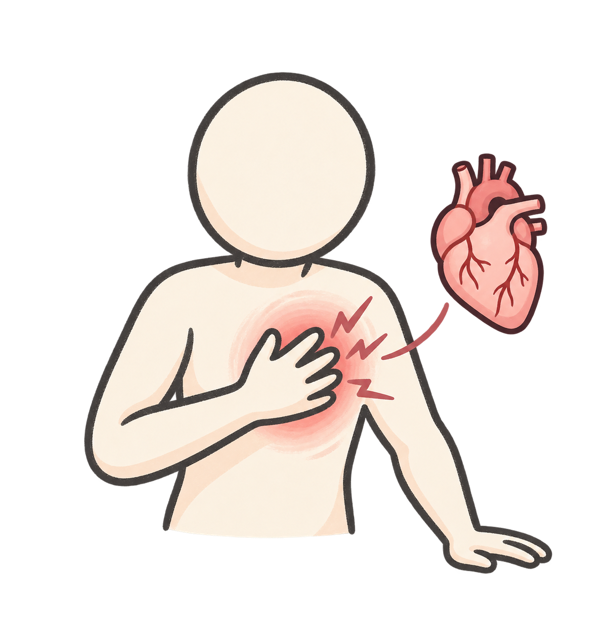
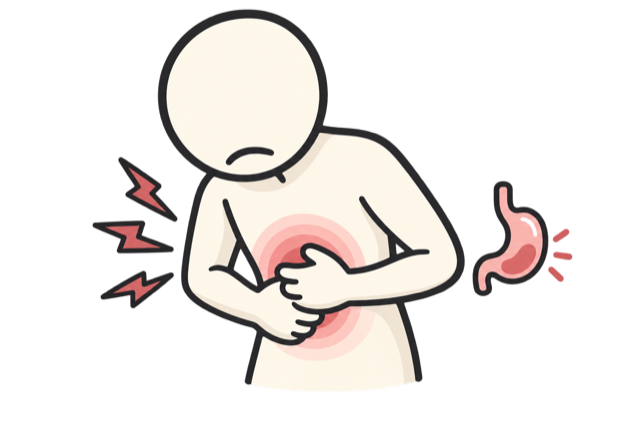
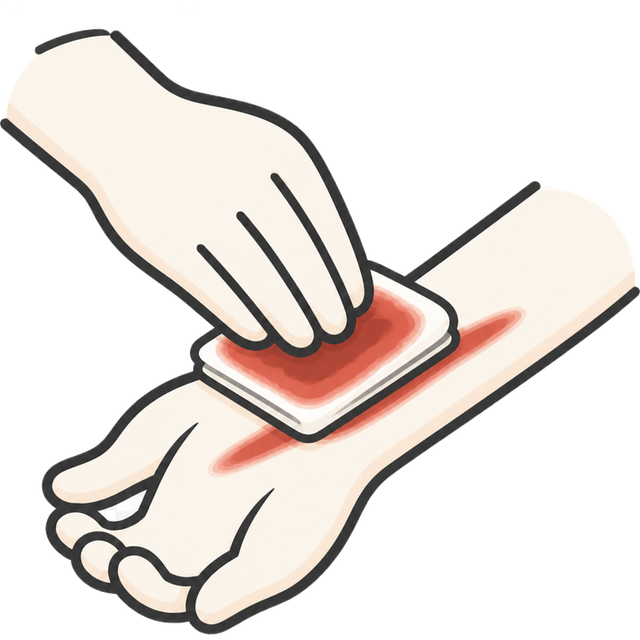

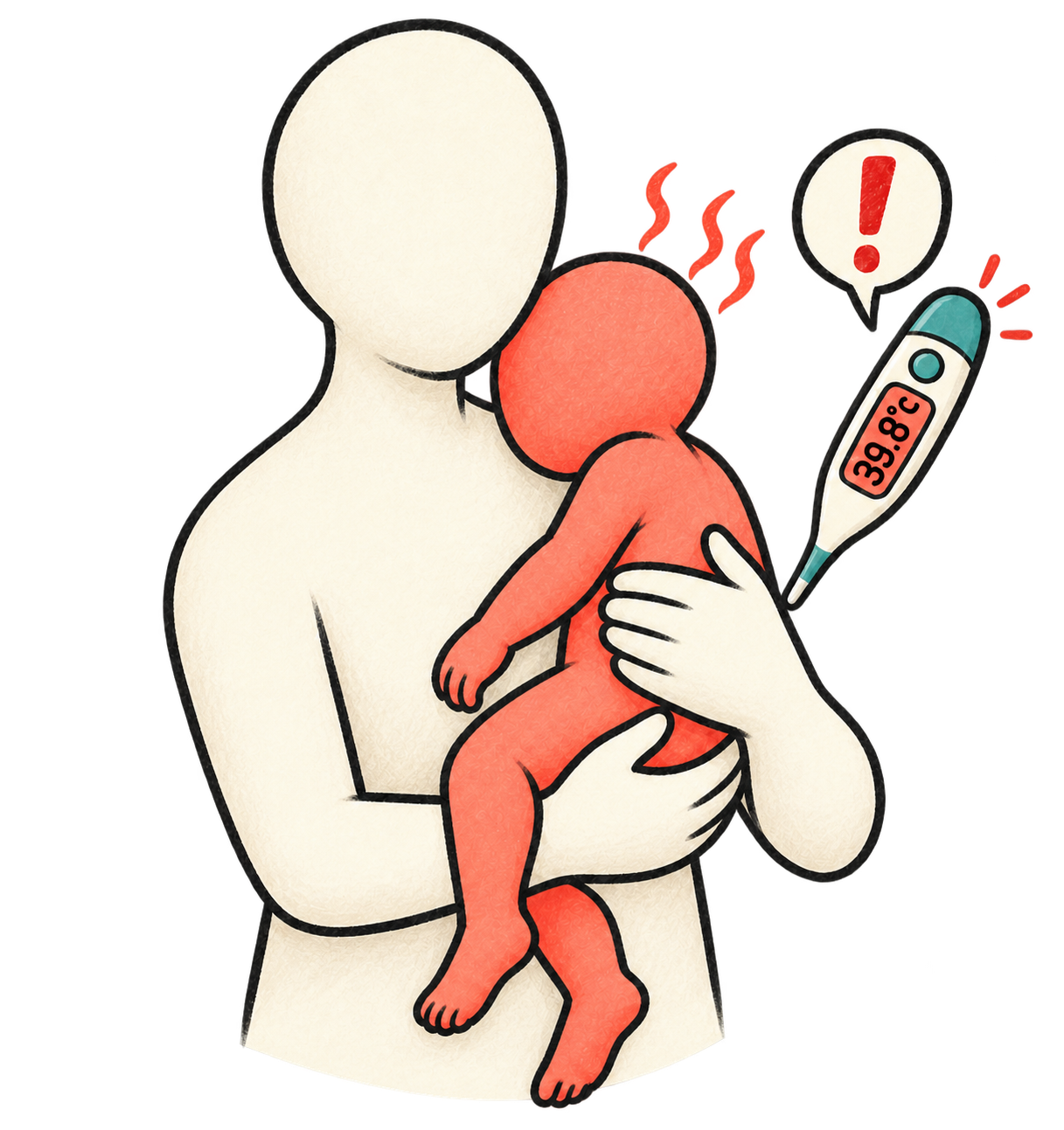
Chest pain胸痛New or worsening discomfort新发或加重的胸部不适
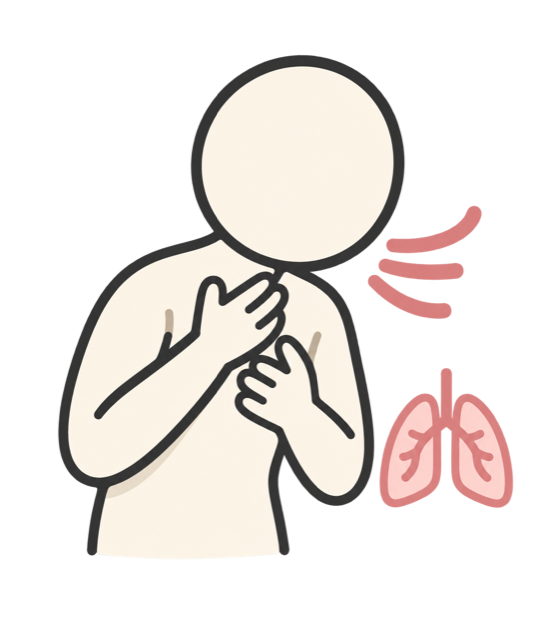
Breathing difficulty呼吸困难Breathless, blue, or swelling气短、发绀或肿胀
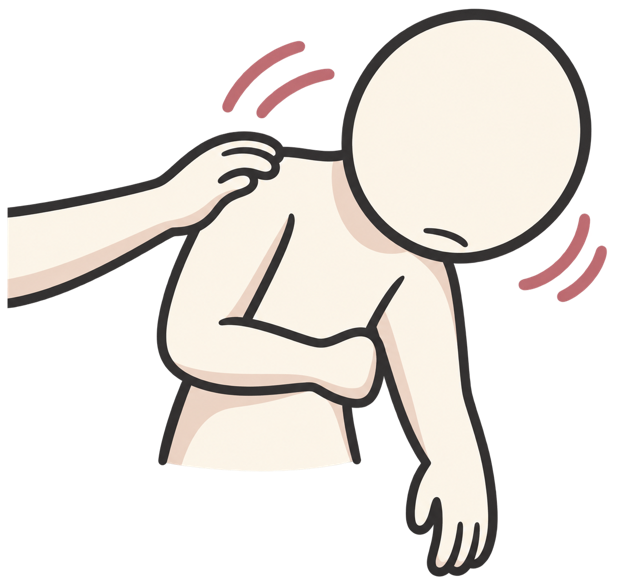
Fainting or seizure晕厥或抽搐Loss of consciousness or convulsion意识丧失或癫痫发作
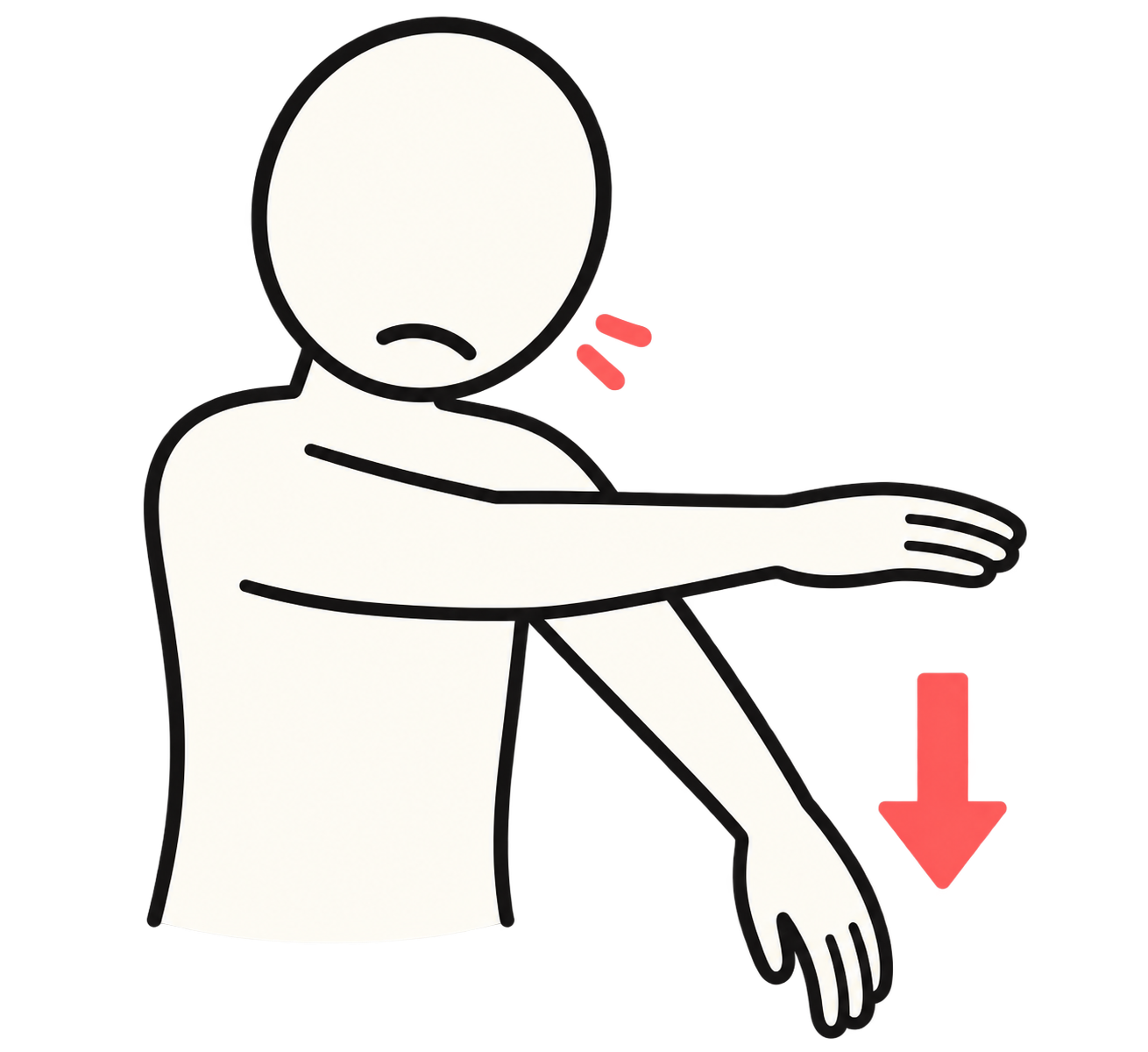
Stroke signs中风症状Weakness, facial droop, speech trouble无力、口角歪斜、言语不清
Severe or worsening pain剧烈或加重的疼痛Or persistent vomiting或持续呕吐
Bleeding or sudden change出血或突然恶化Bleeding that will not stop出血不止
Confusion or drowsiness意识模糊或嗜睡Unusual behavior or hard to wake行为异常或难以叫醒
A child looks much worse儿童情况明显变差Sleepy, blue, breathless, hard to wake嗜睡、发绀、气促、难以叫醒
Call a nearby staff member now立刻呼叫身边的工作人员Tell a nurse, PA, doctor, or any staff member you can see, and ask for help immediately.请立即告知护士、PA、医生,或任何您能看到的工作人员并寻求帮助。
04
FROM TEST TO DECISION从检查到诊疗决定
Why results take time为什么结果需要时间
Finishing a test is only one part of the process. Each result must be reviewed together with your symptoms and response to treatment.完成检查只是流程的一部分。医生需要结合您的症状、体格检查和治疗反应综合判断。
01Collect采集Sample or scan样本或影像
→02Process处理Lab or imaging检验或影像
→03Report报告Check & interpret复核与解读
→04Review医生查看With your condition结合您的病情
→05Next step下一步Care plan诊疗计划
REASSESSMENT IS A SAFETY STEP复评是保障安全的重要环节
We may check you again我们可能会再次评估您
A nurse, PA, or doctor may reassess you after waiting, treatment, tests, or a change in symptoms. This helps us determine whether you are improving, need more care, or are ready for a safe next step.在等候、治疗、检查后或症状发生变化时,护士、PA或医生可能会再次评估您,以判断病情是否改善、是否需要进一步诊疗,或是否可以安全进入下一步。
05
YOUR SAFEST NEXT STEP最安全的后续安排
What happens after assessment?评估后会如何安排?
After assessment, treatment, results, and reassessment, your doctor will discuss the safest plan.完成评估、治疗、检查结果查看及复评后,医生会与您讨论最安全的后续方案。
GOING HOME SAFELY安全离院回家
Your home-care plan您的居家照护计划
You may go home when the ER doctor determines that your condition is stable and can be managed safely outside the hospital. Before leaving, make sure you understand your diagnosis or working diagnosis, medications, warning signs, and follow-up plan.当急诊医生判断您的病情稳定,并可在院外安全管理时,您可以离院回家。离院前,请确认您已了解诊断或初步诊断、用药方法、警示症状及后续随访安排。
- ✓Follow the medication and treatment instructions provided.遵循医护人员提供的用药和治疗说明。
- ✓Know which symptoms mean you should return to the ER.了解出现哪些症状时应返回急诊。
- ✓Arrange the recommended follow-up or specialist appointment.按建议安排随访或专科门诊。
- ✓Keep your discharge documents and test reports.妥善保管离院文件和检查报告。
Common home-care recommendations are available both in the app or as a hard copy. Ask your nurse before leaving the hospital.常见居家照护建议可通过应用程序查看,也可获取纸质版本。离院前请向护士咨询。
SPECIALIST SUPPORT专科支持
Specialist Consultation and Referral专科会诊与转诊
Some conditions may require specialist input. Depending on your condition, this may be arranged as an ER specialist consultation, outpatient specialist referral, admission, or transfer to another facility. Timing depends on urgency and specialist availability.部分情况可能需要专科进一步评估。根据您的病情,医生可能安排急诊专科会诊、门诊专科转诊、住院或转至其他医疗机构。具体时间取决于病情紧急程度和专科资源情况。
Used when the ER doctor requests a specialist to assess the patient during the ER visit.当急诊医生在患者急诊就诊期间邀请专科医生进行评估时使用。
Used when the patient is stable but needs follow-up with a specialist after discharge.适用于病情稳定,但离院后仍需由专科医生进一步随访的患者。
CONTINUING YOUR CARE继续接受医疗照护
What happens if you are admitted?住院后会如何安排?
If hospital admission is needed, you will be admitted to the department best suited to your condition. Other specialists may be consulted during your stay. Additional diagnostic tests, monitoring, and treatment may be performed according to your clinical needs.如需住院,您将被安排至最适合处理您病情的科室。住院期间,医护团队也可能邀请其他专科医生会诊,并根据临床需要安排进一步检查、监测和治疗。
- ✓The admitting department depends on your condition and care needs.收治科室取决于您的病情和诊疗需求。
- ✓Other specialists may participate in your care.其他专科医生可能参与您的诊疗。
- ✓Further tests or imaging may be arranged.可能安排进一步检验或影像检查。
- ✓Your treatment plan may change as new information becomes available.随着新信息出现,治疗方案可能相应调整。
Ask medical staff about your admission department and what to expect next.请向医护人员询问您的住院科室以及接下来可能发生的情况。
✓
BEFORE YOU LEAVE离开急诊前
Make sure you understand…请确认您已了解以下内容
- Your diagnosis or working diagnosis您的诊断或初步诊断
- What treatment you received您接受了哪些治疗
- How to take your medication如何服用药物
- Which symptoms mean you should return now出现哪些症状时应立即返回
- Your follow-up or specialist plan后续随访或专科安排
- Any reports, invoices, or insurance documents needed是否需要报告、发票或保险材料
06
COMMON QUESTIONS常见问题
You may be wondering…您可能想了解……
ER care is based on urgency. Someone who arrived later may have a more serious or time-sensitive condition.急诊按病情紧急程度接诊。晚到的患者可能病情更严重,或更需要及时处置。
Yes. Triage is dynamic. If your symptoms worsen or new symptoms appear, please tell staff; your priority may change.会。分诊是动态过程。如症状加重或出现新症状,请告知医护人员;您的优先级可能调整。
You may be waiting for tests, imaging, treatment response, specialist consultation, observation, or reassessment.您可能正在等待检查、影像、治疗反应、专科会诊、留观或复评。
Examination time and reporting time are separate. X-ray and ultrasound preliminary reports are expected within 30 minutes; CT and MRI preliminary reports take about 1 hour. Queueing, emergency priority, preparation or contrast, comparison with earlier scans, complex findings, and radiologist availability may extend the wait.检查本身与报告等待是两个环节。X光和超声的初步报告预计30分钟内完成;CT和MRI初步报告约1小时。排队、急诊优先级、检查准备或造影剂、旧片对比、复杂影像及影像科医生安排可能延长等待时间。検査時間と報告までの時間は別です。X線と超音波の予備報告は30分以内、CTとMRIは約1時間です。待機、緊急度、準備や造影剤、過去画像との比較、複雑な所見、放射線科医の対応状況により待ち時間が延びる場合があります。검사 시간과 보고서 시간은 별개입니다. X선과 초음파 예비 판독은 30분 이내, CT와 MRI 예비 판독은 약 1시간이 예상됩니다. 대기, 응급 우선순위, 준비 또는 조영제, 이전 영상 비교, 복잡한 소견 및 영상의학과 의사의 가용성에 따라 대기 시간이 길어질 수 있습니다.El tiempo de la prueba y el del informe son pasos separados. Los informes preliminares de radiografía y ecografía se esperan en 30 minutos; los de TC y RM tardan aproximadamente 1 hora. La cola, la prioridad, la preparación o el contraste, la comparación con estudios previos, los hallazgos complejos y la disponibilidad del radiólogo pueden prolongar la espera.
It is not a delay in your ER care.这并不代表急诊诊疗被延误。救急診療の遅れを意味するものではありません。응급 진료가 지연된다는 의미가 아닙니다.No significa que se retrase su atención en Urgencias.The ER team can review the preliminary findings and use them to make treatment decisions during your visit.您就诊时,急诊团队可查看初步影像结果,并依此进行诊疗决策。受診中、救急チームは予備所見を確認し、治療判断に利用できます。진료 중 응급 진료팀은 예비 영상 소견을 확인하여 치료 결정에 활용할 수 있습니다.Durante su visita, Urgencias puede revisar los hallazgos preliminares y utilizarlos para tomar decisiones asistenciales.
Why the app is different为什么 App 中还看不到アプリへの表示が異なる理由앱에서 바로 보이지 않는 이유Por qué la aplicación es diferenteNight-shift reports must be checked by a second clinician before becoming official, so they are not visible in the app immediately.夜班报告需由第二位医生复核后才成为正式报告,因此无法立即在 App 中查看。夜間の報告は2人目の医師の確認後に正式報告となるため、すぐにアプリに表示されません。야간 보고서는 두 번째 의사의 검토 후 공식 보고서가 되기 때문에 앱에서 즉시 볼 수 없습니다.Los informes nocturnos deben ser revisados por un segundo médico antes de ser oficiales, por lo que no aparecen inmediatamente en la aplicación.
Expected in the appApp 预计可查看时间アプリでの表示予定앱 확인 예정 시간Disponibilidad prevista en la aplicaciónFollowing day, after review at 10:00–12:00次日 10:00–12:00 复核后翌日 10:00〜12:00の確認後다음 날 10:00–12:00 검토 후Al día siguiente, tras la revisión de 10:00–12:00
Yes. Please ask a nurse, PA, or doctor if you need clarification. If you feel worse, tell us immediately.可以。如需了解进展,请询问护士、PA或医生。如果感觉病情加重,请立即告知我们。
Please do not eat or drink until a member of the care team confirms it is safe. Some tests, sedation, anesthesia, or urgent procedures require an empty stomach. Ask a nurse before drinking even water; staff will tell you what is allowed.在医护人员确认安全前,请不要自行吃东西或喝饮料。部分检查、镇静、麻醉或紧急操作需要空腹;即使只是喝水,也请先询问护士。确认可以进食后,工作人员会告诉您可以吃喝什么。医療スタッフが安全と確認するまでは、自己判断で飲食しないでください。一部の検査、鎮静、麻酔、緊急処置では絶食が必要です。水だけの場合も、まず看護師に確認してください。飲食可能になったら、スタッフが摂取できるものをご案内します。의료진이 안전하다고 확인할 때까지 임의로 먹거나 마시지 마십시오. 일부 검사, 진정, 마취 또는 긴급 처치는 금식이 필요합니다. 물만 마시는 경우에도 먼저 간호사에게 문의하십시오. 먹고 마셔도 되는 시점과 종류는 직원이 안내합니다.No coma ni beba por su cuenta hasta que el personal sanitario confirme que es seguro. Algunas pruebas, la sedación, la anestesia o procedimientos urgentes requieren ayuno. Consulte primero con enfermería incluso antes de beber agua. El personal le indicará qué está permitido.
Please tell a nurse or the nurse station first and confirm whether you may leave and when you should return. If staff cannot find you when it is time for reassessment, a test, or treatment, your care may be delayed. Do not leave if your symptoms are getting worse.如需暂时离开候诊区,请先告知护士或护士站,并确认是否可以离开、需要多久返回。复评、检查或治疗安排就绪时,如工作人员无法找到您,诊疗可能会延迟;如症状正在加重,请不要离开。一時的に待合エリアを離れる場合は、まず看護師またはナースステーションに伝え、離れてよいか、いつまでに戻るべきか確認してください。再評価・検査・治療の準備が整った時にスタッフが患者さんを見つけられないと、診療が遅れることがあります。症状が悪化している場合は離れないでください。대기 구역을 잠시 떠나야 한다면 먼저 간호사나 간호사실에 알리고, 떠나도 되는지와 언제 돌아와야 하는지 확인하십시오. 재평가·검사·치료 준비가 되었을 때 직원이 환자를 찾지 못하면 진료가 지연될 수 있습니다. 증상이 악화되고 있다면 떠나지 마십시오.Avise primero a enfermería y confirme si puede salir y cuándo debe regresar. Si el personal no puede localizarle cuando llegue el momento de una reevaluación, una prueba o un tratamiento, su atención podría retrasarse. No salga si sus síntomas están empeorando.
Tell the care team immediately. If there is a call bell at your bedside, press it; otherwise go to the nurse station and ask for a nurse. Do not take extra doses or any medicine the care team does not know about.疼痛加重时请立即告知医护人员。如床边有呼叫器,请按呼叫器;否则请前往护士站找护士。不要自行加量服药,也不要服用未告知医护人员的药物。痛みが強くなったら、すぐに医療スタッフへ伝えてください。ベッドサイドに呼び出しボタンがある場合は押し、ない場合はナースステーションで看護師を呼んでください。自己判断で薬を増量したり、医療スタッフに伝えていない薬を服用したりしないでください。통증이 심해지면 즉시 의료진에게 알리십시오. 침상 옆에 호출기가 있으면 누르고, 없으면 간호사실로 가서 간호사를 찾으십시오. 임의로 약을 더 복용하거나 의료진에게 알리지 않은 약을 복용하지 마십시오.Informe de inmediato al equipo asistencial. Si hay un timbre junto a su cama, púlselo; de lo contrario, vaya al puesto de enfermería. No aumente la dosis ni tome medicamentos que el equipo desconozca.
The ER does not provide a staff companion to accompany patients during the visit. Korean or Japanese interpretation is available during daytime hours and until 22:00 on the night shift. If the treating doctor speaks only English, a nurse will assist with interpretation and communication during the visit.急诊目前不提供工作人员陪同看诊服务。如需韩语或日语翻译,日间及夜班 22:00 前可提供。若接诊医生只使用英语,护士会协助翻译,并帮助您完成就诊沟通。救急外来では、スタッフによる受診付き添いサービスは提供していません。韓国語または日本語の通訳は、日中および夜勤の22:00まで利用できます。担当医が英語のみを使用する場合は、看護師が通訳と受診中のコミュニケーションを支援します。응급실은 직원이 환자와 진료에 동행하는 서비스를 제공하지 않습니다. 한국어 또는 일본어 통역은 주간 및 야간 근무 중 22:00까지 제공됩니다. 진료 의사가 영어만 사용하는 경우 간호사가 통역과 진료 의사소통을 지원합니다.Urgencias no ofrece un acompañante del personal durante la consulta. Hay interpretación en coreano o japonés durante el día y hasta las 22:00 en el turno nocturno. Si el médico tratante solo habla inglés, enfermería ayudará con la interpretación y la comunicación durante la visita.
BEFORE OR AFTER DISCHARGE离院前或离院后
Help us improve your care帮助我们持续改善医疗服务
Scan the QR code to share your experience. Your feedback helps us improve care for every patient.扫描二维码分享您的就诊体验。您的意见将帮助我们为每位患者提供更好的服务。
 Scan to give feedback扫码提交反馈
WE ARE HERE TO HELP我们随时为您提供帮助
Have a question before you leave?离开前还有疑问?
Please ask your nurse, PA, doctor, or the front desk. Asking questions helps us care for you safely.请咨询您的护士、PA、医生或前台。及时提出问题有助于我们更安全地照护您。
Call Center 24/7 / Contact after discharge24小时呼叫中心 / 离院后联系 · 4008683000
Directions to Gate 1 · Emergency Entrance导航至1号门 · 急诊入口1号門・救急入口へのルート1번 게이트 · 응급실 입구 길찾기Ruta a Puerta 1 · Urgencias